
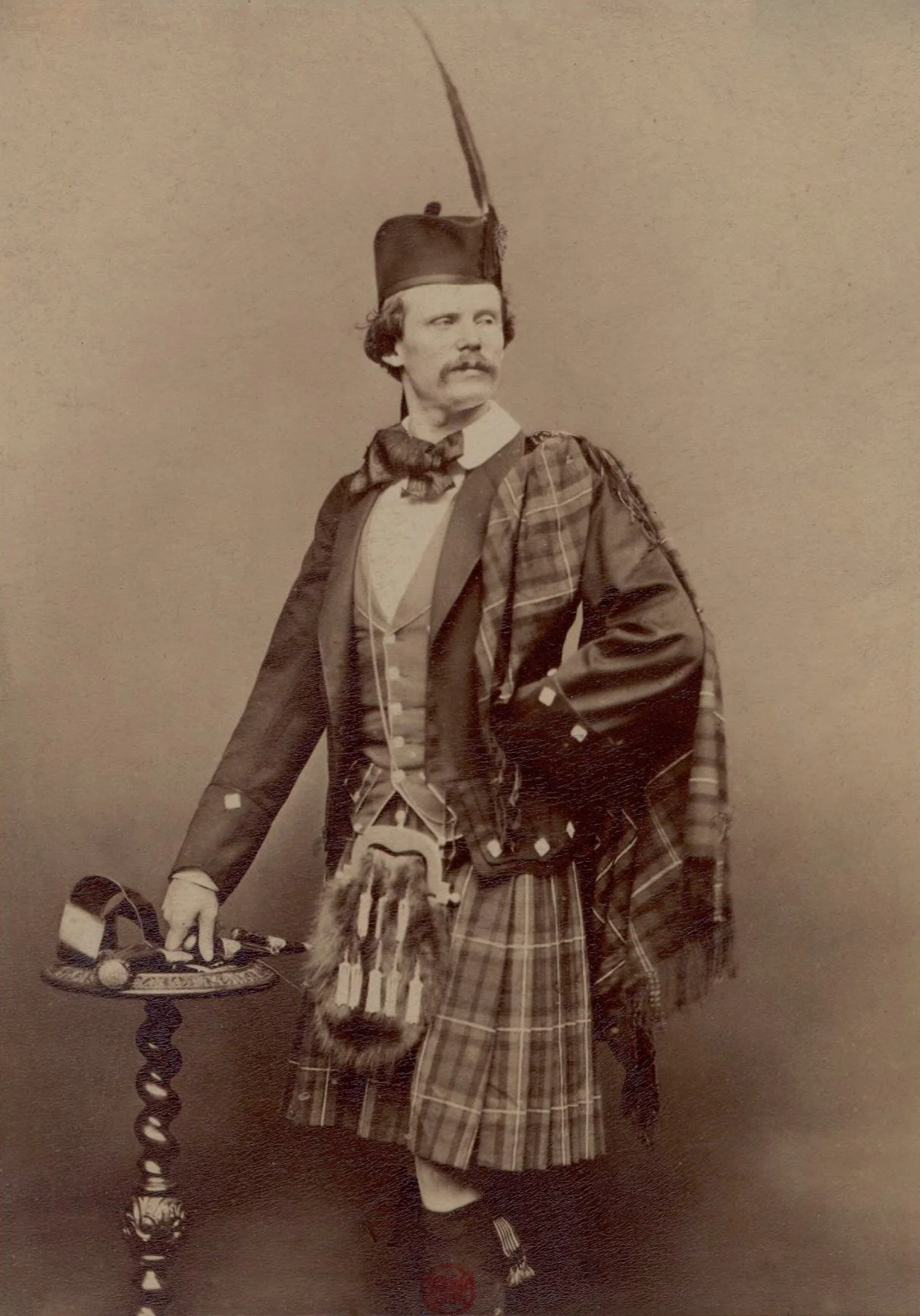
Special: Daniel Dunglas Home (with Avery Curran)
Daniel Dunglas Home always knew he wasn't like the other boys. Not because he was gay, but because, while they were out on the sports field playing rugby, he was communicating with the dead.
Daniel Dunglas Home always knew he wasn't like the other boys. Not because he was gay, but because, while they were out on the sports field playing rugby, he was communicating with the dead. Despite being a huge celebrity in Victorian England, today Home is almost unknown. In this special episode, academic and novelist Avery Curran talks to Huw about one of the most significant mediums of 19th century Spiritualism, and what his life and reputation can tell us about gender and sexuality in high society at the time.
SOURCES:
Heyday of a Wizard - Jean Burton
The First Psychic - Peter Lamont
Experiences in Spiritualism with DD Home - Viscount Adare
‘Very hot indeed’: Intimacy between men in Experiences in Spiritualism with Mr. D. D. Home - Avery Curran, Journal of Victorian Culture
Our intro music is Arpeggia Colorix by Yann Terrien, downloaded from WFMU's Free Music Archive and distributed under a Creative Commons Attribution-ShareAlike License. Our outro music is by DJ Michaeloswell Graphicsdesigner.
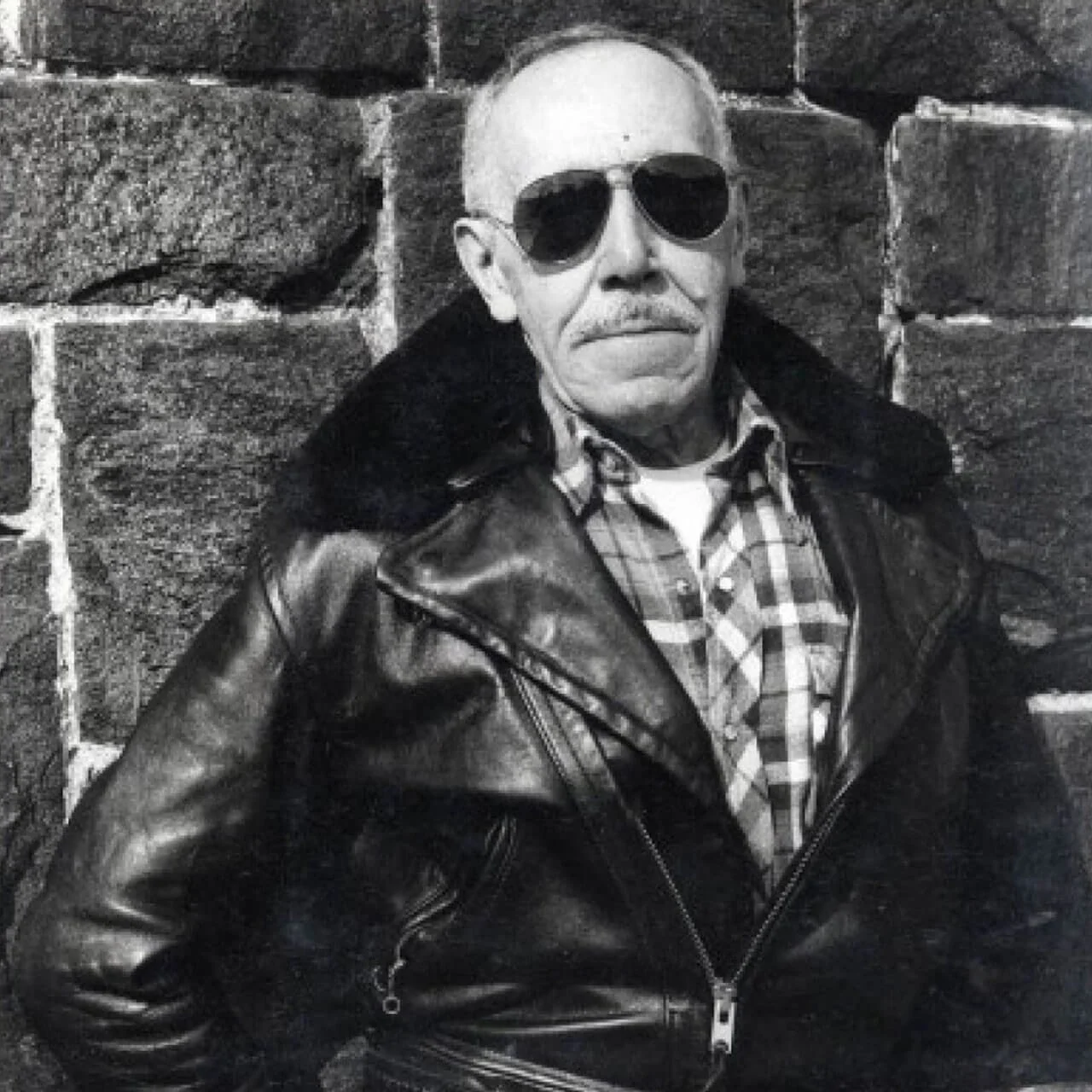
S9E10: Tom of Finland
Tom of Finland advertised the concept of gay masculinity to gays becoming men. The influence of his work on gay male sex cultures, on ideals of queer masculinities, and especially on leather scenes remains enormous and contested.
Live from Helsinki, we close out our season with Tom of Finland, the man who advertised the concept of gay masculinity to gays becoming men. Originally his illustrations were controversial because of his graphic depictions of gay sex, of sodomy and cocksucking and fisting in a pre-liberation, pre-internet age. Today, things have changed so much you can buy Tom branded products in department stores like Selfridges, and books of his drawings in Barnes and Noble. But at the same time, his representations of Black men and of Nazi aesthetics have drawn new criticisms, even while the fisting and piss and cock-sucking have become perfect home decorations. And the influence of his work on gay male sex cultures, on ideals of queer masculinities, and especially on leather scenes, remains enormous and contested.
SOURCES:
F. Valentine Hooven III, Tom Of Finland: His Life And Times (St. Martin's, 1992)
Arnie Kantrowitz, Swastika Toys, in Leatherfolk, edited by Mark Thompson, pp. 193–209.
Hunter Scott, “Facing Sameness: Reconsidering the Radicality of Tom of Finland.” InVisible Culture 36, https://doi.org/10.47761/494a02f6.262a8f58
Carta Monir, "Morally Erect," Lux Magazine, https://lux-magazine.com/article/tom-of-finland/
https://worldcrunch.com/in-the-news/tom-of-finland-double-life-of-the-gay-icon-who-changed-a-nation/
https://kunstkritikk.com/the-cult-of-iconified-homosexuality/
Our intro music is Arpeggia Colorix by Yann Terrien, downloaded from WFMU's Free Music Archive and distributed under a Creative Commons Attribution-ShareAlike License. Our outro music is by DJ Michaeloswell Graphicsdesigner.
Image via.
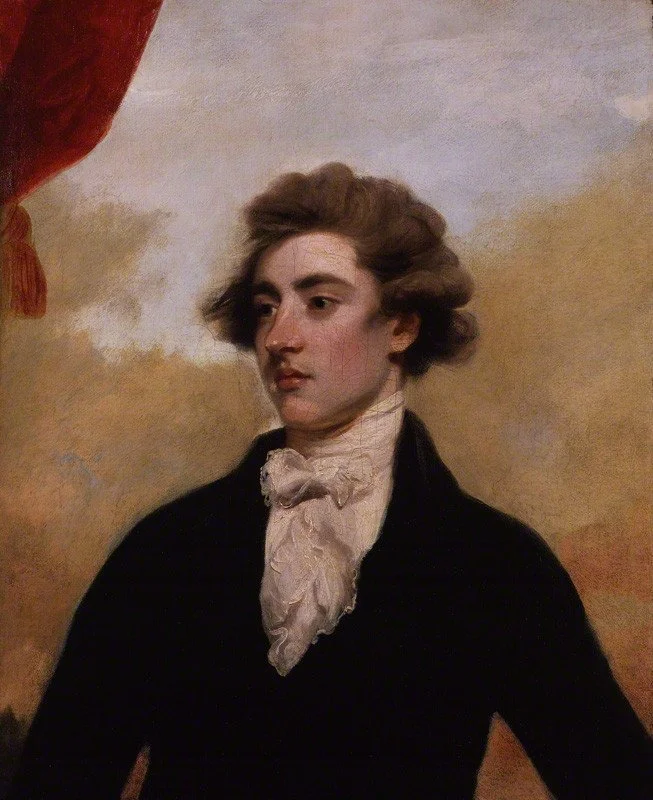
S9E9: William Beckford
A novelist, a member of parliament, a collector of art, antiquities, and books, a travel writer, and a builder of great palaces–and a slave owner, and a pedophile.
William Beckford, who was born not in Bath but in London in 1760, is someone for whom property, in every sense of the word, was the defining factor in his life. He was a novelist, a member of parliament, a collector of art, antiquities, and books, a travel writer, and a builder of great palaces; he regarded himself as a man of culture, but he made his cultural qualities known by buying and building things. And he could afford to buy and build things - ridiculous things - because he was rich, extraordinarily rich, richer than we can possibly imagine. So all his status, his legacy, the thing that made him who he was, came from his wealth, and his wealth came from another form of property he owned: chattel slaves. And that wealth also enabled him to pursue troubling relationships with boys.
SOURCES:
James Lees-Milne, William Beckford (Compton Press, 1976)
J. W. Oliver, The Life of William Beckford (Oxford University Press, 1932)
Guy Chapman, William Beckford (Scribner, 1937)
Caroline Stanford, Beckford’s Tower History Album (National Trust)
A number of essays on Rictor Norton’s website about him including “The Fool at Fonthill” https://www.rictornorton.co.uk/
Our intro music is Arpeggia Colorix by Yann Terrien, downloaded from WFMU's Free Music Archive and distributed under a Creative Commons Attribution-ShareAlike License. Our outro music is by DJ Michaeloswell Graphicsdesigner.
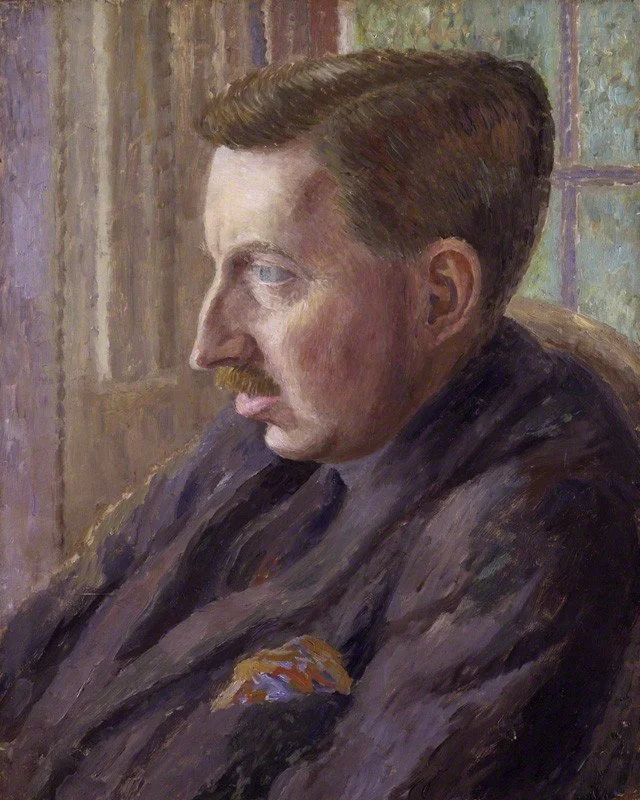
S9E8: E. M. Forster
Live from Sheffield DocFest, it's E. M. Forster: who in his 91 years of life was one of Britain’s most successful novelists. He was raised in a climate of Victorian propriety so extreme he went to university without understanding human reproduction, and then fell in with a secret society known for alternative thinking and "aggressive" homosexuality. Italy — and later India — represented paradises of freedom and liberation in comparison to the cramped, horrid Edwardian upper middle classes. Erotic contact with the working-class/brown Other was the waters of Lourdes for this uptight Englishman, who was never able to transcend his own position.
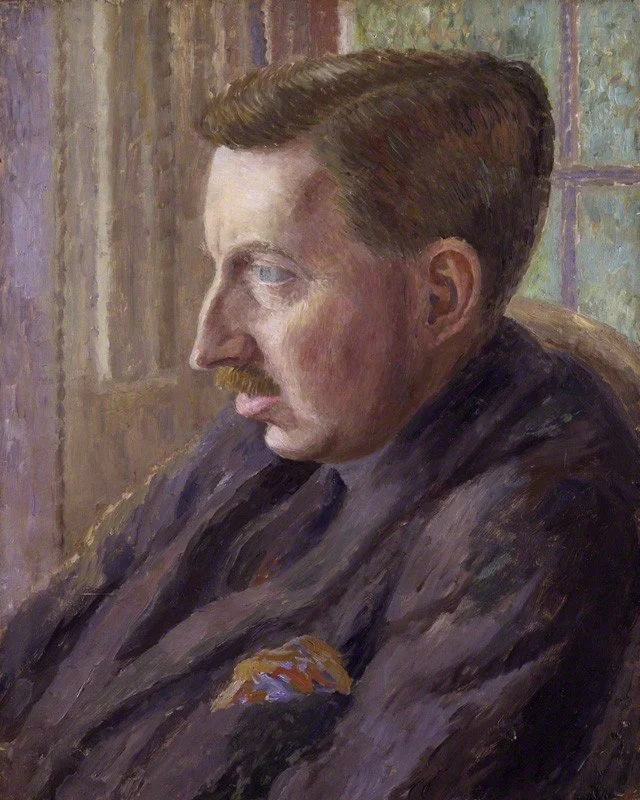
Live from Sheffield DocFest, it's E. M. Forster: who in his 91 years of life was one of Britain’s most successful novelists. He was raised in a climate of Victorian propriety so extreme he went to university without understanding human reproduction, and then fell in with a secret society known for alternative thinking and "aggressive" homosexuality. Italy — and later India — represented paradises of freedom and liberation in comparison to the cramped, horrid Edwardian upper middle classes. Erotic contact with the working-class/brown Other was the waters of Lourdes for this uptight Englishman, who was never able to transcend his own position.
SOURCES
Wendy Moffat, E. M. Forster: A New Life (Bloomsbury, 2010).
https://www.varsity.co.uk/features/25279
http://www.glbtqarchive.com/ssh/cambridge_apostles_S.pdf
https://www.nybooks.com/articles/2014/11/06/forster-love-story/
https://www.newyorker.com/magazine/2009/03/23/man-with-a-past
https://www.theguardian.com/books/2012/feb/17/e-m-forster-my-policeman
https://www.lrb.co.uk/the-paper/v35/n01/alan-hollinghurst/poor-dear-how-she-figures
https://www.nytimes.com/2010/07/25/books/review/Toibin-t.html
Our intro music is Arpeggia Colorix by Yann Terrien, downloaded from WFMU's Free Music Archive and distributed under a Creative Commons Attribution-ShareAlike License. Our outro music is by DJ Michaeloswell Graphicsdesigner.
S9E7: Captain Moonlite
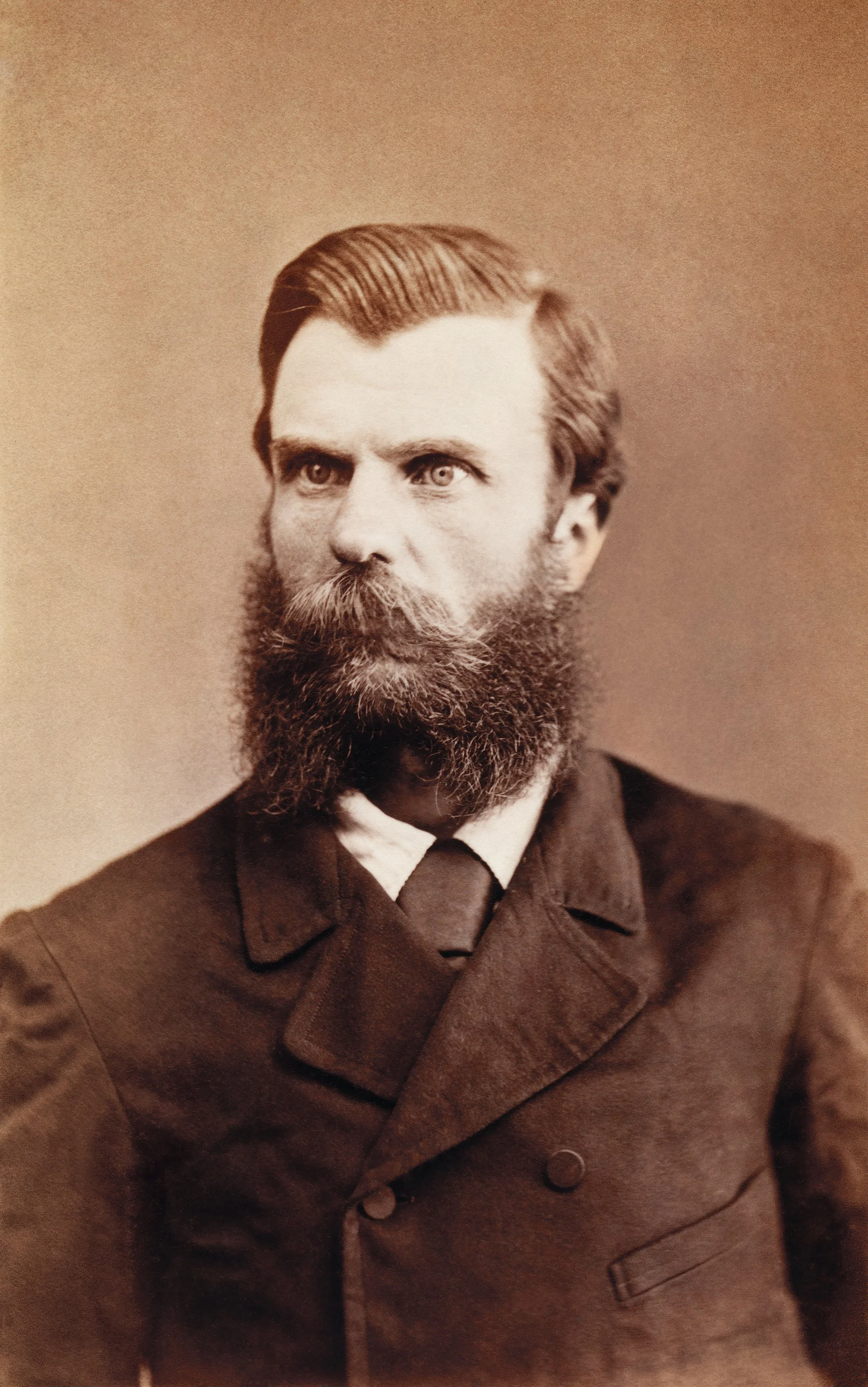
Another episode down under: Andrew George Scott is best remembered to history as the enigmatic “Captain Moonlite”, and the story of his short but eventful life is a fascinating tale of personal conscience, colonialism, and criminality. Born in Ireland, he was taken by his family to New Zealand, became a military man, attempted to become a priest, robbed a bank, toured as an inspirational speaker, held up a sheep station, and requested to be buried in the arms of his lover.
Another episode down under: Andrew George Scott is best remembered to history as the enigmatic “Captain Moonlite”, and the story of his short but eventful life is a fascinating tale of personal conscience, colonialism, and criminality. Born in Ireland, he was taken by his family to New Zealand, became a military man, attempted to become a priest, robbed a bank, toured as an inspirational speaker, held up a sheep station, and requested to be buried in the arms of his lover.
SOURCES:
Paul Terry, In Search of Captain Moonlite: Bushranger, Conman, Warrior, Lunatic (Allen & Unwin, 2013)
Stephan Williams, The Wantabadgery Bushrangers: A Partial Study (Popinjay Publications, 1991)
https://www.themonthly.com.au/november-2015/essays/queer-bushranger
Our intro music is Arpeggia Colorix by Yann Terrien, downloaded from WFMU's Free Music Archive and distributed under a Creative Commons Attribution-ShareAlike License. Our outro music is by DJ Michaeloswell Graphicsdesigner.
S9E6: Tracey Wigginton
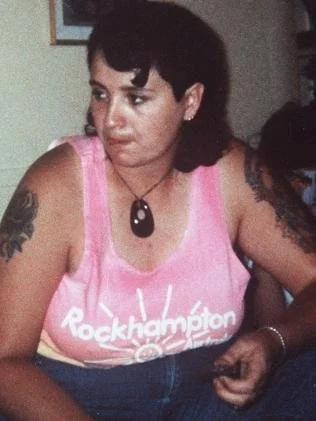
The place: Queensland, Australia; a state just recovering from decades of rule by "hillbilly dictator" Joh Bjelke-Petersen, a petty authoritarian with a reputation for brutal homophobia and the even more brutal repression of street protest. The time: the late Eighties, at the height of the AIDS epidemic and public fear about queers and blood. The woman: Tracey Wigginton, a deeply disturbed woman from an abusive background who committed a horrifying crime. The media saw a potential scandal, and created one: it was easier to believe lesbians are vampires than to believe in the endemic nature of family abuse and violence in our society.
The place: Queensland, Australia; a state just recovering from decades of rule by "hillbilly dictator" Joh Bjelke-Petersen, a petty authoritarian with a reputation for brutal homophobia and the even more brutal repression of street protest. The time: the late Eighties, at the height of the AIDS epidemic and public fear about queers and blood. The woman: Tracey Wigginton, a deeply disturbed woman from an abusive background who committed a horrifying crime. The media saw a potential scandal, and created one: it was easier to believe lesbians are vampires than to believe in the endemic nature of family abuse and violence in our society.
SOURCES:
https://www.couriermail.com.au/news/paroled-lesbian-vampire-killer-tracey-wigginton-will-get-away-with-lies/news-story/d7f1890bf3cb800c110a63d9afae6573
https://www.9news.com.au/national/queensland-news-vampire-killer-tracey-wigginton-facebook-posts/09282693-2a38-4a28-b774-e4e13ce75528
Wiggington, Tracey. "A perspective on long term imprisonment." Hecate, vol. 28, no. 1, May 2002, pp. 163+. Gale Literature Resource Center, link.gale.com/apps/doc/A90137673/LitRC?u=fub&sid=summon&xid=a75e4729. Accessed 6 Aug. 2025.
https://www.couriermail.com.au/news/paroled-lesbian-vampire-killer-tracey-wigginton-will-get-away-with-lies/news-story/d7f1890bf3cb800c110a63d9afae6573
https://www.news.com.au/lifestyle/real-life/true-stories/lesbian-vampire-killer-who-drank-victims-blood/news-story/09102844937bc5d7f8ae57a6ecaa7d23
https://www.couriermail.com.au/news/queensland/crime-and-justice/the-dark-secrets-of-queenslands-lesbian-vampire-killer/news-story/f06485d6f4bedf7aff10c6d0cc0493de
Our intro music is Arpeggia Colorix by Yann Terrien, downloaded from WFMU's Free Music Archive and distributed under a Creative Commons Attribution-ShareAlike License. Our outro music is by DJ Michaeloswell Graphicsdesigner.
S9E5: Angela Calomiris
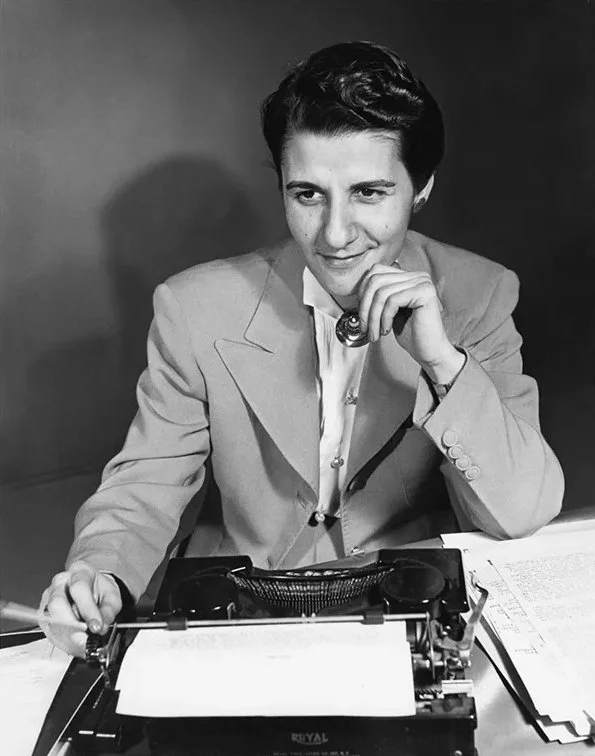
Behind Angie’s role as a local doyenne, she trailed a dark secret about her life as a young photographer in New York. How did Angela end up in Provincetown, and why was the mere sight of her name enough to induce horror in a fellow photographer?
Today we’re discussing a strange and compelling figure, the photographer Angela Calomiris. We can start at the end of her life, as a denizen of Provincetown, the little resort at the tip of Cape Cod in Massachusetts that has long been a haven for LGBTQ people. Angie had a reputation as a formidable figure in the town as a tough, and not always fair, businesswoman. She had made good money through some stiff deals. But she was also regarded as generous, if eccentric, by others. Yet behind Angie’s role as a local doyenne, she trailed a dark secret about her life as a young photographer in New York. How did Angela end up in Provincetown, and why was the mere sight of her name enough to induce horror in a fellow photographer? In today’s episode, we’ll discuss Angela’s life of FBI collaboration, naming names, secrets and lies.
SOURCES:
Lisa Davis, Undercover girl : the lesbian informant who helped the FBI bring down the Communist Party (Imagine, 2017)
Lisa Davis, The Spy Who Came in from the Closet https://glreview.org/article/the-spy-who-came-in-from-the-closet/
David K. Johnson, The Lavender Scare (Chicago University Press, 2004)
Mason Klein, The radical camera : New York's Photo League, 1936-1951 (Yale University Press, 2011)
Carol A. Stabile, The Broadcast 4: Women and the Anti- Communist Blacklist (Goldsmith's Press, 2018)
Sophia Starmack, The rise and fall and P’town rebirth of Angela Calomiris https://eu.wickedlocal.com/story/provincetown-banner/2017/05/18/the-rise-fall-p-x2019/4502034007/
Veronica A. Wilson ‘I chose the values I regarded as American’: Sexuality, ethnicity, and FBI informant Angela Calomiris https://www.ingentaconnect.com/contentone/lwish/tcc/2021/00000020/00000020/art00005
Our intro music is Arpeggia Colorix by Yann Terrien. Our outro music is by DJ Michaeloswell Graphicdesigner. This podcast may contain copyrighted material, and its use is under the principles of fair use for purposes such as commentary, criticism, and parody. All rights belong to the respective copyright holders.
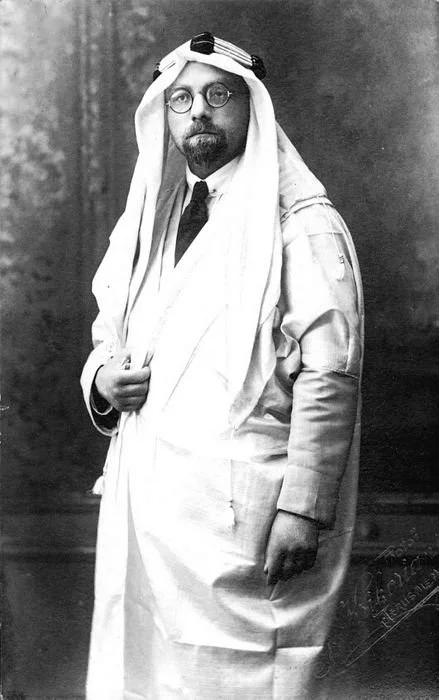
S9E4: Jacob Israël de Haan
Today's subject, Jacob Israël de Haan, wrote one of the first gay Dutch novels. Born in 1881 in the Netherlands, he was assassinated by the Haganah paramilitary at the age of 42 in Palestine, having moved there to establish Zion, and then having turned on the Zionist project because of its treatment of the Arabs. His love of young Arab men was both a source of scandal and a very troubling source of evolving solidarity.
Today's subject, Jacob Israël de Haan, wrote one of the first gay dutch novels. "What is it that I long for," he asked. "The sanctity of Israel or an Arab male prostitute?" Born in 1881 in the Netherlands, he was assassinated by the Haganah paramilitary at the age of 42 in Palestine, having moved there to establish Zion, and then having turned on the Zionist project because of its treatment of the Arabs. His love of young Arab men was both a source of scandal and a very troubling source of evolving solidarity.
SOURCES:
https://archive.ph/wkF8y#selection-1069.0-1074.0
http://www.corpse.org/archives/issue_5/critical_urgencies/giebels.htm
https://www.gerthekma.nl/ewExternalFiles/Jacob Israël de Haan. Pederast poet between Amsterdam and Jerusalem.pdf
https://rabbidunner.com/assassination-in-the-holy-city/#_edn12
https://glreview.org/article/article-964/
https://www.the-low-countries.com/wp-content/uploads/2024/08/TLC_24_Chronicle_WASSING_NASSAU.pdf
https://www.the-low-countries.com/wp-content/uploads/2024/08/TLC_24_Chronicle_WASSING_NASSAU.pdf
https://www.tabletmag.com/sections/arts-letters/articles/jacob-de-haan-political-poet
https://glreview.org/article/article-964/
https://library.oapen.org/bitstream/id/c9843d1e-4703-45eb-a317-4de724d686a1/The multiple lives of Jacob Israel de Haan.pdf
https://www.palestine-studies.org/sites/default/files/jq-articles/Jacob Israel de Haan - A Queer and Lapsed Zionist in Mandate Palestine.pdf

S9E3: Charles Hitchen
A man who got rich playing both sides of a pay to play criminal justice system while touring through London's infamous "molly houses," back rooms of taverns or gin houses where queer men could meet and cruise.
Let us take ourselves back to a very exciting time: we’re talking London, at the turn of the 18th century. The city is the largest in Europe, and growing - it’s passed the half a million mark and by the end of the century will have doubled. Crime was rife, and getting worse. The law was administered by a pay-to-play criminal justice system: and today's subject, Charles Hitchen, got rich playing both sides while touring through London's infamous "molly houses," back rooms of taverns or gin houses, where queer men could meet, cruise, and even fuck. These developed a much richer culture, with their own slang, faux marriage rituals, and drag performances including a queen giving birth to a wheel of cheddar cheese.
SOURCES:
Gerald Howson, Thief-Taker General: Jonathan Wild and the Emergence of Crime and Corruption as a Way of Life in Eighteenth-Century England (Routledge, 1985)
Peter Linebaugh, The London Hanged: Crime And Civil Society In The Eighteenth Century (Verso, 2006)
Rictor Norton, The Georgian Underworld, https://rictornorton.co.uk/gu00.htm.
Our intro music is Arpeggia Colorix by Yann Terrien. Our outro music is by DJ Michaeloswell Graphicdesigner. This podcast may contain copyrighted material, and its use is under the principles of fair use for purposes such as commentary, criticism, and parody. All rights belong to the respective copyright holders.
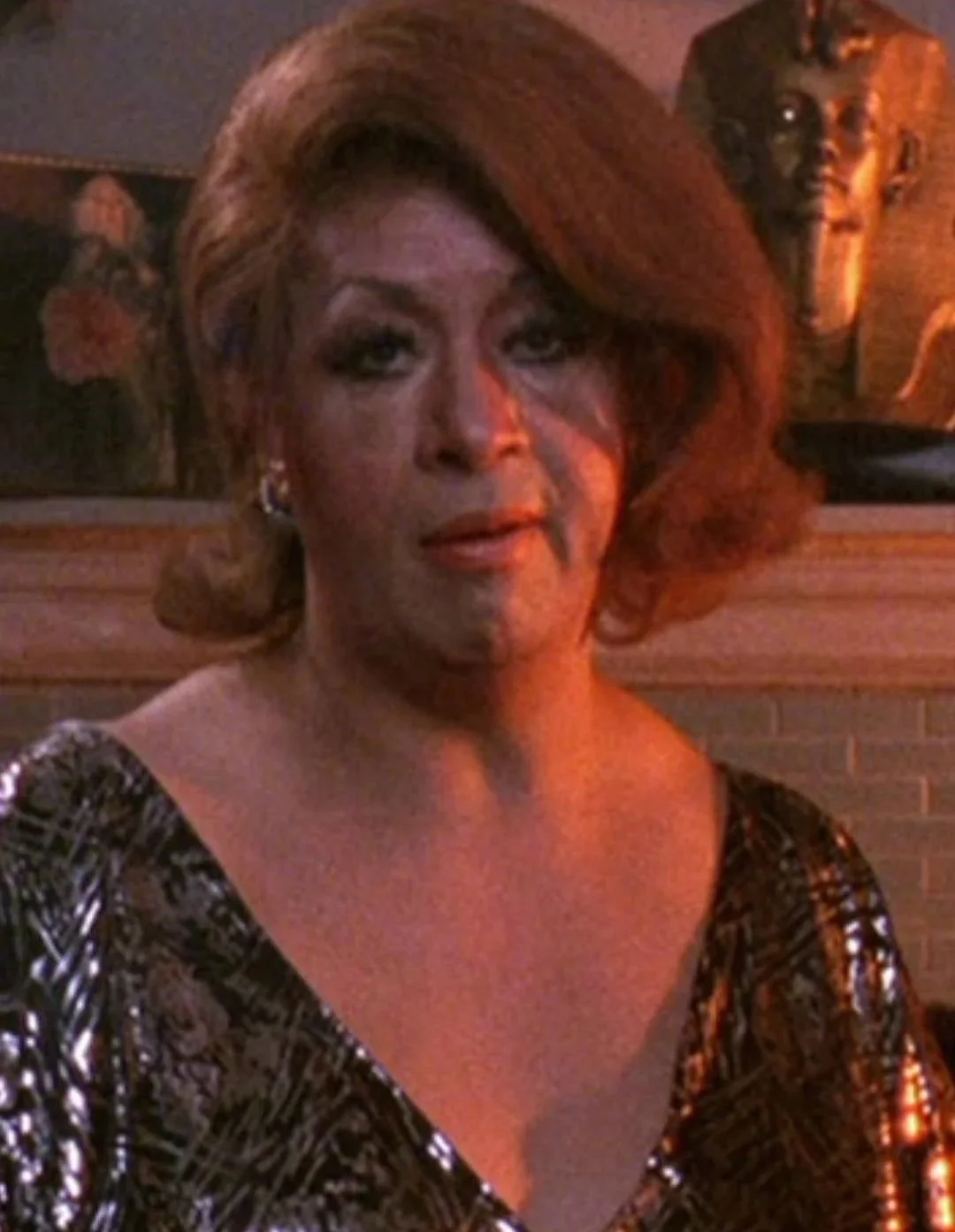
S9E2: Dorian Corey
Many people in our audience will have seen Jennie Livingston’s 1990 documentary Paris Is Burning, an exploration of Black and Latinx ball culture in New York City. One of the film’s primary interview interlocutors is Dorian Corey, who is one of the film’s most quotable characters. Corey's life helps us explore the history of drag from balls for enslaved people in the 1870s to today. And did you know that Corey knew, during all those serene interviews in Paris Is Burning, that the man she had murdered in self-defense and not trusted police to handle it (would you?) was mummified in the closet behind her.
Many people in our audience will have seen Jennie Livingston’s 1990 documentary Paris Is Burning, an exploration of Black and Latinx ball culture in New York City. One of the film’s primary interview interlocutors is Dorian Corey, who is one of the film’s most quotable characters. Corey's life helps us explore the history of drag from balls for enslaved people in the 1870s to today. And did you know that Corey knew, during all those serene interviews in Paris Is Burning, that the man she had murdered in self-defense and not trusted police to handle it (would you?) was mummified in the closet behind her.
SOURCES:
https://archive.seattletimes.com/archive/19931218/1737662/deceased-drag-show-star-leaves-mummy-mystery-behind-in-closet
https://www.theguardian.com/film/2015/jun/24/burning-down-the-house-debate-paris-is-burning
https://files.eportfolios.macaulay.cuny.edu/wp-content/uploads/sites/5381/2016/06/16101213/hooks_paris-is-burning.pdf
https://www.nytimes.com/1993/04/18/style/paris-has-burned.html
https://www.swervmagazine.com/entertainment-2/pioneers/
https://queermusicheritage.com/drag-pearl.html
https://www.chicagomag.com/Chicago-Magazine/November-2005/The-Gay-30S/
https://www.thenation.com/article/society/drag-queen-slave-ball/
https://www.harlemworldmagazine.com/the-legendary-hamilton-lodge-ball-home-at-the-rockland-palace-dance-hall-in-harlem/
https://americanhistory.si.edu/explore/stories/queens-and-queers-rise-drag-ball-culture-1920s
https://www.jstor.org/stable/2935316?seq=1
https://www.theguardian.com/film/2015/jun/24/burning-down-the-house-debate-paris-is-burning
https://zagria.blogspot.com/2010/08/dorian-corey-1937-1993-performer.html
Our intro music is Arpeggia Colorix by Yann Terrien. Our outro music is by DJ Michaeloswell Graphicdesigner.